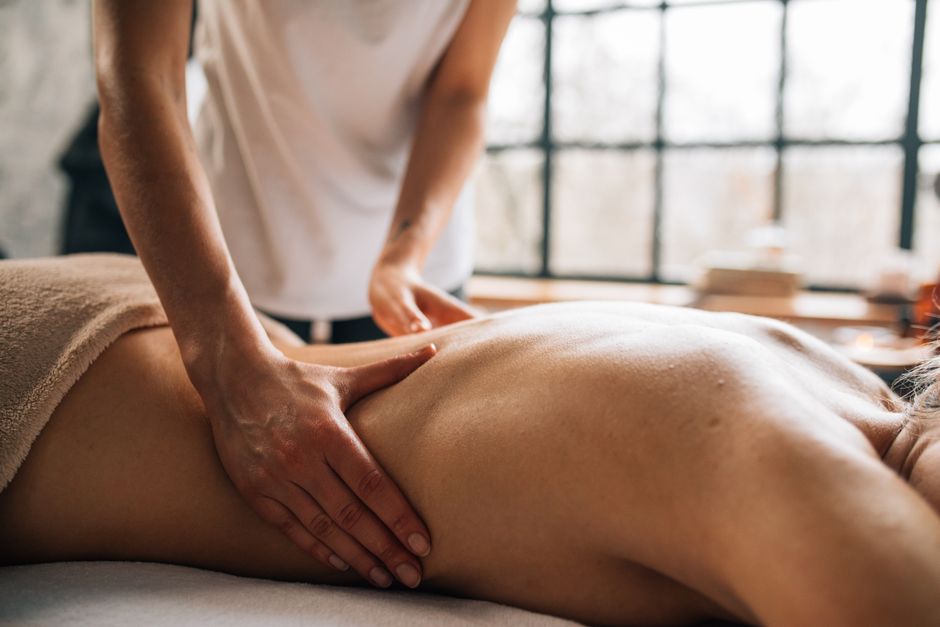
Understanding Asian Massage Therapy Techniques and Benefits
By Editorial Team · May 26, 2026
Introduction to Asian Massage Therapy
Asian massage therapy encompasses a variety of techniques that originate from different cultures across Asia. These practices have been used for centuries to promote relaxation, alleviate pain, and enhance overall well-being. Common forms include Traditional Chinese Medicine (TCM), Thai massage, and Japanese Shiatsu, each with its unique approach and philosophy.
Traditional Chinese Medicine (TCM) and Acupressure
One of the most well-known forms of Asian massage is influenced by Traditional Chinese Medicine. TCM often incorporates acupressure, which involves applying pressure to specific points on the body to stimulate energy flow and promote healing. This technique is based on the concept of Qi, the vital life force that flows through the body. Practitioners believe that blockages in the flow of Qi can lead to physical and emotional issues. By targeting these acupressure points, therapists aim to restore balance and enhance health.
Acupressure is often used for various conditions, including headaches, digestive issues, and stress relief. Many individuals report feeling more relaxed and rejuvenated after a session, highlighting the importance of energy balance in promoting well-being.
Thai Massage: A Dynamic Approach
Thai massage is another popular form of Asian massage therapy that combines elements of yoga, acupressure, and meditation. This technique typically involves a series of yoga-like stretches and gentle rocking movements. Unlike many other forms of massage, Thai massage is performed on a mat, and the recipient remains fully clothed throughout the session.
The therapist uses their hands, elbows, knees, and feet to apply pressure and stretch the body. This approach is designed to enhance flexibility, relieve muscle tension, and promote relaxation. Thai massage is often described as both invigorating and calming, making it an ideal choice for individuals seeking physical and mental rejuvenation.
Japanese Shiatsu: Pressure and Stretching
Shiatsu, which translates to "finger pressure," is a form of Japanese massage therapy that focuses on applying pressure to specific points on the body, similar to acupressure. Shiatsu practitioners use their fingers, palms, and thumbs to apply pressure along the body's energy pathways, known as meridians. This technique aims to release tension, improve circulation, and facilitate the flow of energy.
In addition to pressure, Shiatsu often incorporates stretching and joint mobilization techniques. The combination of pressure and stretching helps to alleviate discomfort and promotes a sense of overall well-being. Many individuals find that Shiatsu not only relaxes their muscles but also calms their minds, making it an effective therapy for stress and anxiety.
Benefits of Asian Massage Therapy
The benefits of Asian massage therapy are numerous and can vary depending on the specific technique used. Many people report experiencing reduced muscle tension, improved flexibility, and enhanced relaxation. Additionally, these therapies can help alleviate stress and anxiety, promoting mental clarity and emotional balance.
Research suggests that regular massage therapy can also improve circulation, boost the immune system, and promote better sleep. Asian massage techniques emphasize the connection between the body and mind, encouraging individuals to cultivate a deeper awareness of their physical and emotional states. This holistic approach can lead to a greater sense of well-being and overall health.
Conclusion
Asian massage therapy offers a diverse range of techniques that cater to various needs and preferences. Whether through the energy-based practices of TCM and acupressure, the dynamic stretches of Thai massage, or the pressure and stretching of Shiatsu, individuals can find a therapeutic approach that resonates with them. As interest in these ancient practices continues to grow, more people are discovering the benefits of Asian massage therapy for both physical and mental health. Engaging in these therapies can be a valuable addition to one’s wellness routine, promoting relaxation, balance, and overall well-being.
Related articles
Eligibility Criteria for Medical Marijuana Trials in the US
Explore who can participate in medical marijuana trials in the US and the criteria for eligibility in these important clinical studies.

Medicare Meal Delivery Coverage And Options In The US
Explore Medicare's coverage for meal delivery services and learn about options available to beneficiaries across the United States.
Medicare Meal Delivery Coverage and Options in the US
Explore Medicare's meal delivery coverage, benefits, and options available to beneficiaries in the US.