Understanding Tinnitus: Causes and Treatment Options
By Editorial Team · May 13, 2026
What Is Tinnitus?
Tinnitus is a condition characterized by the perception of noise or ringing in the ears when no external sound is present. It can vary in intensity and may be constant or intermittent. The sounds perceived can be hissing, buzzing, clicking, or roaring, and they can occur in one or both ears. While tinnitus itself is not a disease, it can be a symptom of an underlying condition and can significantly affect a person's quality of life.
Causes of Tinnitus
The causes of tinnitus can be diverse and may include:
-
Hearing Loss: Age-related hearing loss, known as presbycusis, is one of the most common causes of tinnitus. Damage to the hair cells in the inner ear can lead to the perception of sound when there is none.
-
Exposure to Loud Noises: Prolonged exposure to loud sounds, such as music concerts or machinery, can cause temporary or permanent tinnitus. This condition is often referred to as noise-induced hearing loss.
-
Ear Infections or Blockages: Ear infections, fluid in the ear, or blockages caused by earwax can lead to tinnitus. These conditions may change the pressure in the ear and disrupt normal function.
-
Medications: Certain medications, known as ototoxic drugs, can cause or worsen tinnitus. Common culprits include high doses of aspirin, nonsteroidal anti-inflammatory drugs (NSAIDs), certain antibiotics, and chemotherapy drugs.
-
Underlying Medical Conditions: Tinnitus can also be associated with conditions such as Meniere's disease, acoustic neuroma, and temporomandibular joint (TMJ) disorders. Each of these conditions can impact the auditory system in different ways.
Diagnosis of Tinnitus
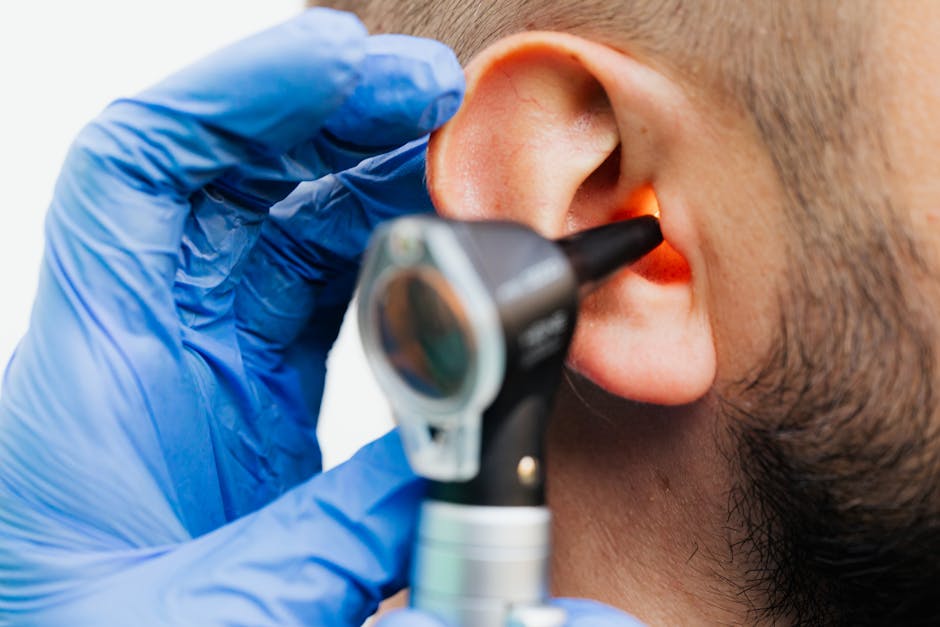
Diagnosing tinnitus involves a thorough evaluation by a healthcare professional. The process typically begins with a detailed medical history and a physical examination, focusing on the ears, head, and neck. Audiological tests may be conducted to assess hearing capabilities and identify any associated hearing loss. In some cases, imaging studies like MRI or CT scans may be ordered to rule out structural issues in the auditory system or brain.
Treatment Options for Tinnitus
While there is currently no cure for tinnitus, various treatment options can help manage the symptoms and improve quality of life. Treatment approaches often depend on the underlying cause of tinnitus and may include:
-
Sound Therapy: This involves using background noise or white noise to mask the ringing or buzzing sounds associated with tinnitus. Sound therapy can help patients focus less on the tinnitus sounds and more on external sounds.
-
Cognitive Behavioral Therapy (CBT): CBT is a type of talk therapy that helps individuals manage the emotional and psychological impacts of tinnitus. It can assist in reducing anxiety and distress associated with the condition.
-
Hearing Aids: For individuals with hearing loss, hearing aids can amplify external sounds and make tinnitus less noticeable. These devices can also improve overall communication abilities.
-
Medications: While no specific medication can cure tinnitus, some drugs may help reduce symptoms. Antidepressants and antianxiety medications are sometimes prescribed to alleviate the emotional effects of tinnitus.
-
Lifestyle Modifications: Reducing caffeine and alcohol intake, managing stress through relaxation techniques, and ensuring a healthy diet can contribute to improved tinnitus management.
Conclusion
Tinnitus can be a challenging condition that affects many individuals. Understanding the potential causes and exploring treatment options can provide relief for those who experience it. Although there is no one-size-fits-all solution, a combination of therapies and lifestyle changes can help manage symptoms. Consultation with healthcare professionals is essential for developing an effective management plan tailored to individual needs. By taking proactive steps, individuals can improve their quality of life and navigate the challenges associated with tinnitus.
Related articles

Eligibility Criteria for Medical Marijuana Trials in the US
Explore who can participate in medical marijuana trials in the US and the criteria for eligibility in these important clinical studies.

Medicare Meal Delivery Coverage And Options In The US
Explore Medicare's coverage for meal delivery services and learn about options available to beneficiaries across the United States.
Medicare Meal Delivery Coverage and Options in the US
Explore Medicare's meal delivery coverage, benefits, and options available to beneficiaries in the US.