CBN Emergency Humanitarian Relief Funding in the U.S.
By Editorial Team · November 14, 2026
What the Funding Refers To
The phrase “CBN emergency humanitarian relief funding” can refer to financial assistance or material aid distributed through Christian organizations and their local partners in the United States. CBN, or the Christian Broadcasting Network, is associated with humanitarian work through initiatives that respond to disasters and other urgent needs. The exact programs, eligibility rules, and application processes can change over time, so the phrase should not be treated as the name of one permanent federal benefit or a guaranteed cash grant.
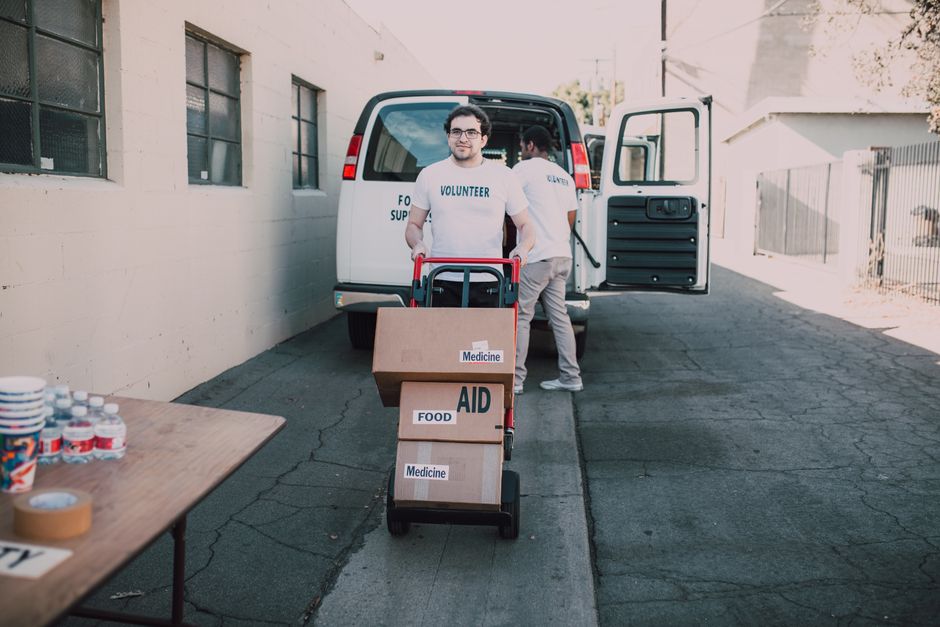
Emergency relief may include food, temporary shelter, clothing, hygiene supplies, transportation, or help connecting people with local services. In some cases, partner organizations may offer limited financial assistance for urgent expenses. The form of support depends on the event, available donations, local capacity, and the needs identified by relief teams.
How Emergency Aid Is Organized
Humanitarian organizations often work through local churches, charities, community groups, and established relief networks. Local partners can identify immediate needs and help distribute supplies more quickly than a national organization acting alone. After a disaster, relief teams may coordinate with public agencies and other nonprofits to avoid duplicating services and to direct people toward the most relevant assistance.
Funding may come from individual donations, organizational budgets, corporate contributions, or grants. Money raised for a particular emergency may be restricted to that response, while general relief funds can support a wider range of needs. Donors and people seeking help should check how a program describes its funding and intended use. A public appeal for donations does not necessarily mean that individuals can apply directly for cash assistance.
Who May Be Able to Get Help
Eligibility is determined by the specific program. Some services are open to residents of a particular community affected by a disaster, while others are available through a partner organization to people facing food insecurity, displacement, or another urgent hardship. Programs may prioritize households with children, older adults, people with disabilities, or those who have lost housing or income, but priorities vary.
Applicants may be asked to provide basic information about their circumstances, location, household, and immediate needs. Depending on the service, they might also need identification, proof of residence, or documentation related to a disaster or expense. Not every organization requires the same records, and a lack of paperwork should not prevent someone from asking what options are available. A local relief partner can explain whether assistance is offered and what steps are necessary.
How to Find Reliable Information
Start with CBN’s official website and its verified communication channels for current information about humanitarian initiatives. Look for a clear description of the program, the areas it serves, the type of assistance available, and a reliable contact method. If the information concerns a local distribution site, confirm the address and hours directly with the named partner before traveling.
People affected by a federally declared disaster can also check official government resources, including FEMA, state emergency management agencies, and local disaster recovery centers. These programs are separate from private charitable aid, and their eligibility rules differ. Community organizations, food banks, and 2-1-1 services may also identify nearby support. Comparing several sources can help people find assistance without assuming that one organization covers every need.
Be cautious of messages promising guaranteed grants or asking for a fee to release emergency funding. Legitimate aid providers should explain their process and should not require gift cards, cryptocurrency, or payment for an application. Avoid sharing Social Security numbers, bank details, or identity documents through an unverified link or unsolicited message. When in doubt, contact the organization using a phone number or web address found independently.
What to Expect During an Application
Relief programs may have limited supplies or funding, and response times can vary. A request may lead to direct help, a referral, or information about another organization rather than a cash payment. Keep notes on whom you contacted, what documents were requested, and any follow-up dates. If a need is urgent, explain the immediate risk clearly and ask whether there are other local services available while the request is reviewed.
The most useful approach is to verify the specific program, confirm that it serves your location, and ask exactly what assistance it provides. Emergency humanitarian relief can help households manage a difficult period, but it is not a substitute for every public benefit or long-term recovery program. Reliable information from official organizations and local partners can clarify the options available and reduce the risk of scams or wasted effort.
Related articles

Free Online Checking Accounts With No Deposit Required
Learn how no-deposit online checking accounts work, what fees and features to compare, and how to open an account safely in the United States

Patriot Gold IRAs: What You Need to Know
Learn how Patriot Gold Group's precious metals IRAs work, what fees and risks to review, and how to compare providers before moving retirement savings

Gold IRA Providers and Account Options Explained
Learn how gold IRA providers, account types, fees, storage rules, and investment choices work so you can compare options with care