Emergency Furnace Repair: What You Need to Know
By Editorial Team · November 14, 2026
When Furnace Trouble Is an Emergency
A furnace that stops working on a cold night is stressful, but not every problem requires an immediate service call. Emergency repair is appropriate when a failure creates a safety risk, threatens pipes or other property, or leaves people especially vulnerable to cold. Infants, older adults, and people with certain health conditions may need a warm place to stay while the problem is assessed.
Leave the home and call emergency services if you smell gas, hear a hissing sound near a gas appliance, or suspect a carbon monoxide leak. Do not operate lights, appliances, or a phone inside if you suspect a gas leak. Once outside, contact your gas utility or emergency services and follow their instructions. A carbon monoxide alarm, or symptoms such as headache, dizziness, nausea, and confusion, also call for immediate evacuation and emergency help.
A furnace that repeatedly shuts off, makes unusual sounds, or blows cool air may need prompt attention, but those signs alone do not always indicate an immediate danger. If there is no suspected gas or carbon monoxide problem, check the basic controls and arrange service according to the severity of the conditions in your home.
Safe Checks Before Calling
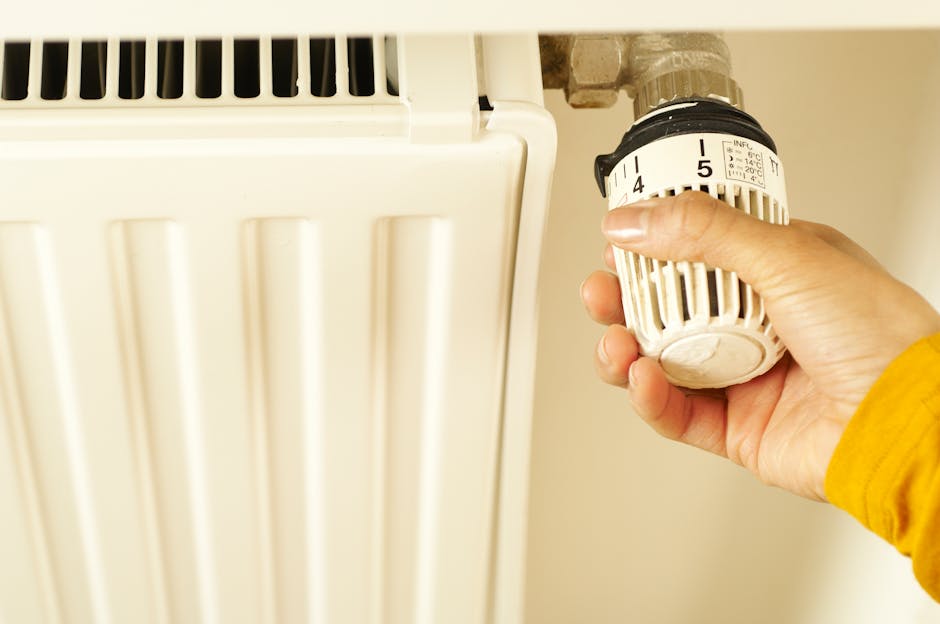
Start with the thermostat. Confirm it is set to heat, the temperature setting is above the room temperature, and the batteries are working if it uses them. Check that the furnace switch is on and that the electrical panel has not tripped a breaker. If a breaker trips again after being reset once, leave it off and call a qualified technician rather than repeatedly switching it back on.
A dirty air filter can restrict airflow and cause some furnaces to overheat or shut down. If the filter is easy to access, inspect it and replace it with the correct size and type. Check that supply registers and return-air grilles are not blocked by furniture, rugs, or curtains. For a gas furnace, make sure the area around the unit is clear, but do not remove panels or attempt to repair internal components.
Some furnaces have a visible status light that flashes an error code. You can note the pattern and share it with the service company. Avoid repeatedly resetting the furnace, bypassing safety switches, or using an open flame to check for a gas leak. These actions can make the situation more dangerous or obscure the cause of the problem.
Choosing an Emergency Repair Service
When you call, describe what the furnace is doing, when the issue began, and any warning signs you noticed. Mention the fuel type, the make and model if available, and whether you saw an error code. Tell the dispatcher if anyone in the home is particularly sensitive to cold or if pipes may be at risk. If you suspect gas or carbon monoxide, make clear that you have left the building and contacted the appropriate emergency service.
Ask whether the company offers after-hours service, how quickly a technician can arrive, and what the call-out or diagnostic fee will be. Request an estimate before approving repairs, and ask whether parts, labor, and follow-up visits are included. A technician should be able to explain the fault and the proposed work in understandable terms. Be cautious about pressure to approve major replacement work without a clear explanation or written pricing.
Use a licensed or otherwise appropriately qualified contractor for your area, especially for gas, electrical, or venting work. Requirements vary by location, so check local licensing rules and look for proof of insurance. An emergency visit may cost more than a scheduled appointment, but clear pricing and a written record help you compare options and understand what was done.
What to Do While You Wait
Keep people away from a suspected faulty appliance and do not try to run it if a safety device has shut it down. If the home is cold, gather everyone in one room, close doors to unused areas, and use blankets and warm clothing. Never use a gas oven, charcoal grill, camping stove, or outdoor heater to warm indoor spaces. These can cause fires or carbon monoxide poisoning.
If indoor temperatures are falling to unsafe levels, arrange to stay with family, friends, or at a suitable public location. Protect plumbing during a prolonged cold spell by following local guidance, such as opening cabinet doors around pipes on exterior walls. If you are unsure whether a pipe or appliance is safe, ask the technician or utility for advice.
Preventing Another Breakdown
Routine maintenance can catch problems before heating season. Replace filters on the schedule recommended by the manufacturer, keep vents clear, and arrange periodic inspection by a qualified professional. Maintenance commonly includes checking electrical connections, burners, ignition, airflow, and venting, though the exact work depends on the system.
Test smoke and carbon monoxide alarms regularly and replace them according to their instructions. Keep records of service visits, repairs, and recurring symptoms. If the furnace has needed repeated emergency calls, ask a technician to explain whether a lasting repair is practical or whether replacement should be considered. A clear diagnosis and comparison of costs can help you decide without rushing into unnecessary work.
Related articles

Asphalt Paving Materials, Process, and Quality
Learn what asphalt paving is made of, how crews build a durable surface, and which material and construction checks help ensure consistent quality

Concrete Paving Types, Benefits, and Best Practices
Compare common concrete paving types, understand their benefits, and learn practical steps for planning, installing, and maintaining a durable surface

How to Choose Licensed Home Contractors in the U.S.
Learn how to verify contractor licenses, compare bids, check references, and review contracts before hiring for a home improvement project