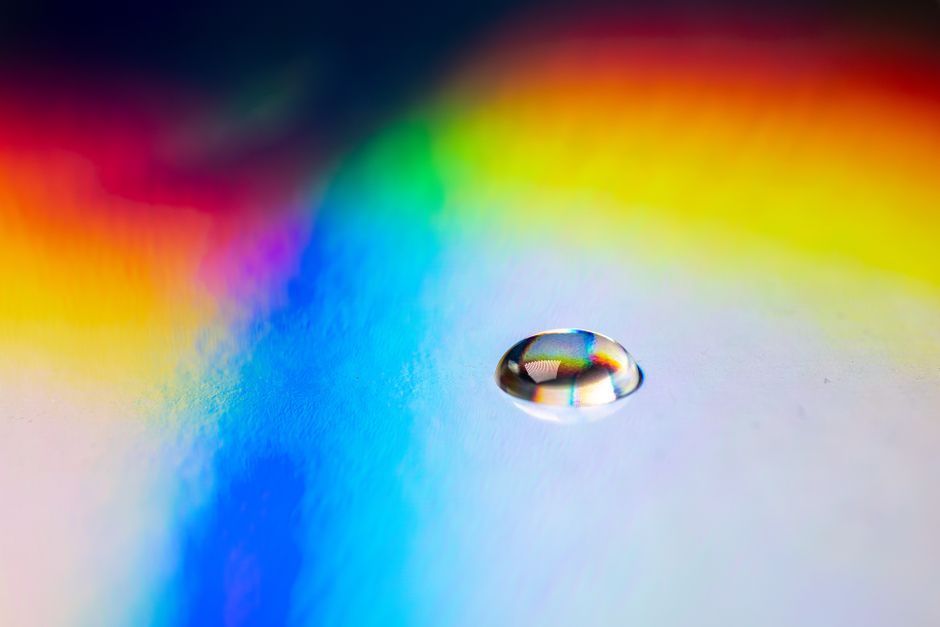
How Rainbows Form: The Science Behind Their Beauty
By Editorial Team · April 21, 2026
Introduction to Rainbows
Rainbows are natural optical phenomena that display a spectrum of light in the sky. They are often seen when sunlight shines through rain or water droplets, resulting in a colorful arc. Understanding how rainbows form involves exploring the interaction between light and water.
The Role of Light
The formation of rainbows begins with sunlight, which is composed of different colors. Each color has a different wavelength, and when sunlight passes through water droplets, it undergoes a process called refraction. Refraction is the bending of light as it moves from one medium (air) into another (water). This bending causes the light to separate into its constituent colors, creating the spectrum we see in a rainbow.
Refraction and Reflection
As light enters a water droplet, it slows down and bends due to the change in density from air to water. This bending causes the light to split into its individual colors. Inside the droplet, some of this light reflects off the inner surface of the droplet. After reflecting, the light exits the droplet, bending again as it moves from the water back into the air. This double process of refraction and reflection contributes to the formation of a rainbow.
The angle at which light exits the droplet is crucial. For a primary rainbow, the angle is typically around 42 degrees for red light and about 40 degrees for blue light. This difference in angle is why we see a sequence of colors arranged in a specific order: red, orange, yellow, green, blue, indigo, and violet.
The Appearance of a Rainbow
Rainbows typically appear as arcs in the sky, with the red color on the outer edge and violet on the inner edge. The colors blend seamlessly into one another, creating a gradient effect. The intensity and visibility of a rainbow depend on several factors, including the size of the water droplets, the angle of the sun, and the observer's position. Larger droplets tend to produce more vivid colors, while smaller droplets may create a lighter and less defined rainbow.
In addition to primary rainbows, secondary rainbows can also occur. These are fainter and appear outside the primary rainbow arc. A secondary rainbow is formed by a second reflection of light inside the water droplet, which causes the order of colors to reverse, resulting in red on the inner edge and violet on the outer edge.
Conditions for Rainbow Formation
Rainbows require specific atmospheric conditions to form. They are most commonly seen during or after rain when sunlight is shining. However, they can also occur in mist, spray, or even dew. The key is that there must be water droplets in the air to refract and reflect the sunlight. The sun needs to be behind the observer, casting light toward the droplets in front.
Rainbows are often associated with certain weather conditions. They tend to appear when the sun is low in the sky, such as in the early morning or late afternoon. This is why rainbows are often seen following a rain shower when the sun breaks through the clouds. The combination of rain and sunlight creates ideal conditions for this beautiful spectacle.
Cultural Significance of Rainbows
Beyond their scientific explanation, rainbows have held cultural significance across various societies. They are often seen as symbols of hope and promise. In many cultures, they are associated with mythology and spirituality. For example, in some traditions, rainbows are considered bridges between the earth and the heavens.
In modern times, rainbows have also become symbols of diversity and inclusion, particularly in LGBTQ+ communities. The rainbow flag represents pride and unity, drawing inspiration from the natural phenomenon.
Conclusion
Rainbows are not only a beautiful sight but also a fascinating natural phenomenon rooted in the physics of light. Their formation involves the refraction and reflection of light in water droplets, which separates sunlight into its colorful spectrum. Understanding how rainbows form enhances appreciation of this magnificent display of nature. The next time you see a rainbow, you can appreciate the intricate science behind its beauty.
Related articles

Understanding Slugs: Nature's Unique Gastropods
Explore the fascinating world of slugs, their habitat, behavior, and role in the ecosystem. Learn about their biology and significance in nature.

Understanding Slugs: Nature's Unique Creatures
Explore the fascinating world of slugs, their biology, habitats, and roles in ecosystems, while dispelling common myths about these creatures.

Understanding Why the Sky Appears Blue
Discover the scientific reasons behind the blue appearance of the sky and the role of light scattering in this natural phenomenon