Understanding Internet Connection Packages
By Editorial Team · June 22, 2026
Introduction
Internet connection packages are essential for accessing online services, whether for work, education, or leisure. Understanding the different types available can help consumers make informed choices that suit their needs. These packages vary widely in speed, reliability, and cost.
Types of Internet Connections
There are several main types of internet connections that are commonly offered by service providers:
-
DSL (Digital Subscriber Line): This type of connection uses existing telephone lines to deliver internet service. DSL is widely available and offers decent speeds, making it a popular choice for many households.
-
Cable Internet: Utilizing the same coaxial cables that deliver cable television, cable internet can provide higher speeds compared to DSL. This option is often preferred in urban areas where high bandwidth is needed.
-
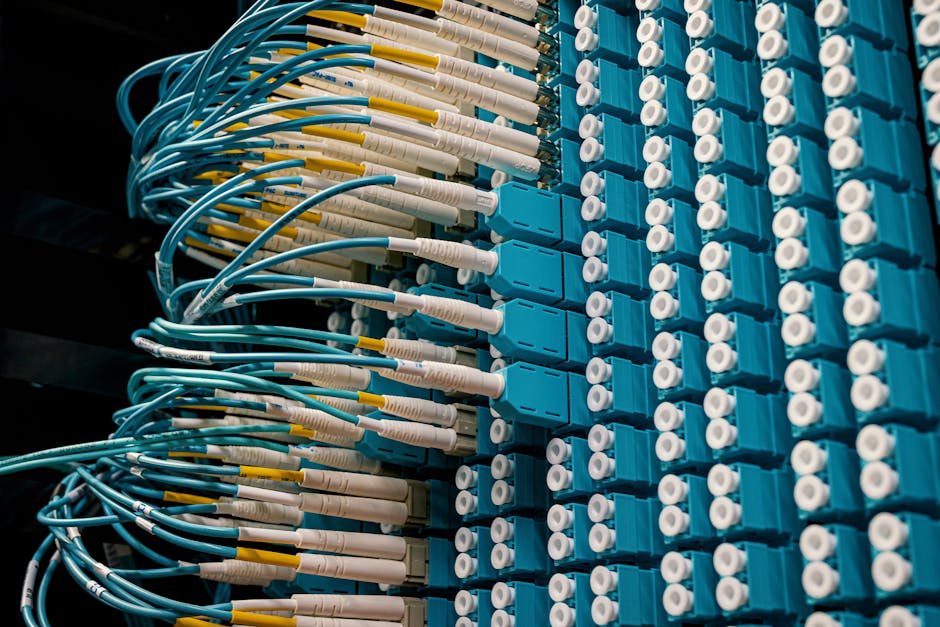
Fiber Optic: Fiber optic connections utilize light to transmit data, resulting in extremely high speeds and reliability. However, availability may be limited to certain regions.
-
Satellite: Satellite internet is an option for rural areas where other forms of internet may not be available. While it can offer decent speeds, latency can be an issue due to the distance signals must travel.
-
Wireless (Wi-Fi): This technology allows devices to connect to the internet wirelessly, often via a router that connects to one of the above types of internet service. Wireless connections are convenient but may be affected by distance from the router and physical obstructions.
Factors to Consider When Choosing a Package
When selecting an internet connection package, several factors should be taken into account:
-
Speed Requirements: Different households have varying needs for internet speed. Families with multiple users streaming videos, playing games, or working from home may require higher speeds compared to those who only browse the web. Most providers offer packages with different speed tiers.
-
Data Caps: Some providers impose data limits, meaning there is a maximum amount of data that can be used within a billing cycle. Exceeding this limit may result in additional charges or reduced speeds. It is essential to understand these limits based on your usage habits.
-
Contract Terms: Many internet service providers offer packages under contract agreements that can last from one to two years. It is crucial to review the terms, including any early termination fees, before committing to a package.
-
Equipment Fees: Some providers charge for the rental or purchase of equipment such as modems and routers. These costs can add up, so it is advisable to clarify whether these fees are included in the package price.
-
Customer Service and Support: Reliable customer service can make a significant difference in the overall experience. Researching reviews and ratings of customer support can help you choose a provider that is responsive to issues and technical difficulties.
Comparing Internet Providers
Once you have an understanding of the types of connections and factors to consider, the next step is to compare providers. This can be done by looking at:
-
Pricing: Different providers offer varying prices for similar speeds and services. It is important to compare the total cost, including any additional fees.
-
Promotions and Bundles: Many providers offer promotions for new customers, such as discounted rates for the first year or bundled services that include cable or phone service. These can provide significant savings.
-
Availability: Not all providers are available in every area. Checking local availability and comparing the options can help ensure you get the best service for your location.
-
User Reviews: Online reviews can provide insight into the experiences of other customers. This feedback can highlight strengths and weaknesses of various providers and help in making a decision.
Conclusion
Choosing the right internet connection package involves understanding the types of connections available, assessing your needs, and comparing different providers. By considering factors such as speed, data caps, and customer service, consumers can find a package that meets their requirements and budget. Taking the time to research can lead to a more satisfactory internet experience, ensuring reliable access to online services for all household members.
Related articles

Digital Marketing Strategies for Small Businesses in the US
Explore effective digital marketing strategies tailored for small businesses in the US to enhance visibility and drive growth.

Understanding Fleet Management Software Features and Benefits
Explore key features and benefits of fleet management software for improving efficiency and reducing costs in vehicle operations.

Key Features and Costs of Business Phone Systems in the US
Explore essential features and costs of business phone systems in the US to make informed choices for your communication needs.