Understanding Dental Implants for Seniors
By Editorial Team · May 8, 2026
Introduction
Dental implants have become a popular solution for tooth loss among seniors. As people age, the risk of tooth loss increases due to factors such as gum disease, decay, and other health issues. Dental implants offer a durable and natural-looking option for restoring smiles and improving function. This article discusses the benefits, procedure, and care for dental implants specifically for seniors.
Benefits of Dental Implants
Dental implants provide several advantages over traditional dentures or bridges. One of the primary benefits is their durability. Implants are designed to fuse with the jawbone, making them a long-lasting solution. They can last a lifetime with proper care, which is particularly appealing for seniors looking for a permanent fix.
Another advantage is the improved oral health that comes with implants. Unlike dentures, which can lead to bone loss over time, implants stimulate the jawbone, helping to maintain its structure. This is crucial for seniors, as bone density often decreases with age.
Dental implants also enhance the quality of life. They function like natural teeth, allowing seniors to eat a wider variety of foods without discomfort. Additionally, implants improve speech, as they eliminate the slippage that can occur with dentures. Many seniors report feeling more confident and happier after receiving dental implants because of the significant improvement in their appearance and function.
The Dental Implant Procedure
The dental implant procedure typically involves multiple steps and can take several months to complete. First, a consultation is necessary to evaluate the patient’s overall health and oral condition. X-rays may be taken to assess bone density and determine the best placement for the implants.
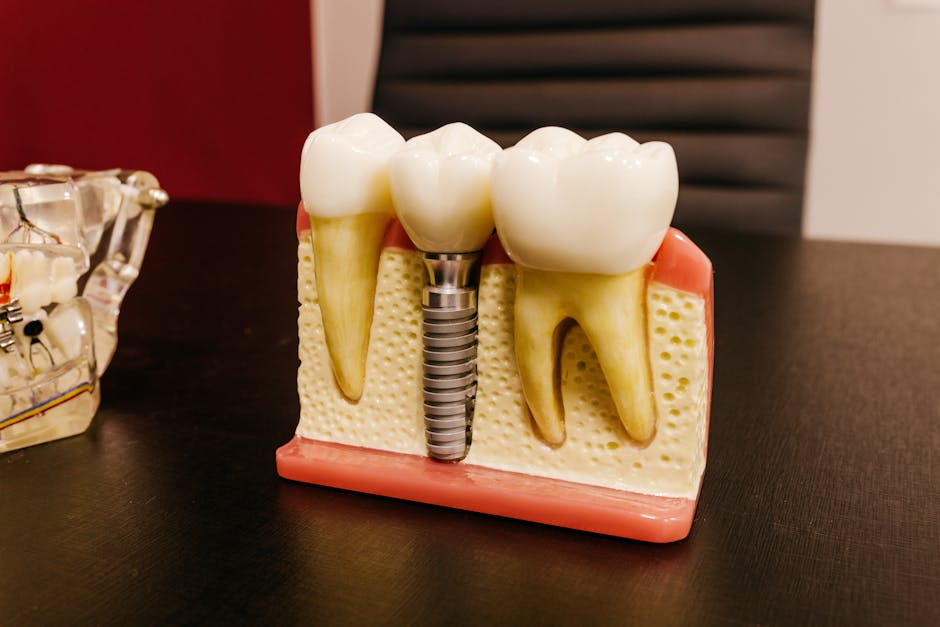
The first step of the procedure is the surgical placement of the implant. This involves inserting a small titanium post into the jawbone, which serves as the root for the new tooth. After the implant is placed, a healing period of several months is required for the bone to fuse with the implant. This process is known as osseointegration.
Once healing is complete, an abutment is attached to the implant. The abutment acts as a connector for the crown, which is the visible part of the tooth. Finally, a custom-made crown is placed on the abutment, completing the restoration. Throughout the process, the dental team will provide guidance and support to ensure a smooth experience.
Care and Maintenance
Caring for dental implants is similar to taking care of natural teeth. Good oral hygiene is crucial for the longevity of the implants. Seniors should brush their teeth twice a day with a soft-bristled toothbrush and use dental floss or interdental brushes to clean between the teeth and around the implant.
Regular dental check-ups are also important. Dentists can monitor the health of the implants and surrounding gum tissue, ensuring any potential issues are addressed promptly. Seniors should inform their dentist of any changes in their health or medications, as these can affect oral care.
In addition to oral hygiene, seniors should maintain a balanced diet and avoid habits such as smoking, which can hinder healing and increase the risk of complications. Staying hydrated and managing overall health can also positively impact dental implants.
Considerations for Seniors
While dental implants offer many benefits, there are considerations that seniors should keep in mind. Candidates for dental implants should have sufficient bone density for the implant to fuse properly. For seniors with significant bone loss, bone grafting may be necessary before implant placement.
Medical conditions, such as diabetes or cardiovascular disease, may affect eligibility for the procedure. It is essential for seniors to discuss any pre-existing conditions with their dentist to evaluate the risks and benefits.
The cost of dental implants can also be a factor. Insurance coverage for dental implants varies, and seniors should check with their insurance provider to understand their options. Many dental practices offer financing plans to help manage expenses.
Conclusion
Dental implants can significantly enhance the oral health and quality of life for seniors. With their durability, natural appearance, and ability to improve function, implants are a worthwhile consideration for those experiencing tooth loss. By understanding the procedure, benefits, and care involved, seniors can make informed decisions about their dental health and enjoy the benefits of a restored smile.
Related articles

Eligibility Criteria for Medical Marijuana Trials in the US
Explore who can participate in medical marijuana trials in the US and the criteria for eligibility in these important clinical studies.

Medicare Meal Delivery Coverage And Options In The US
Explore Medicare's coverage for meal delivery services and learn about options available to beneficiaries across the United States.
Medicare Meal Delivery Coverage and Options in the US
Explore Medicare's meal delivery coverage, benefits, and options available to beneficiaries in the US.