Understanding Tummy Tuck: Procedure, Benefits, and Recovery
By Editorial Team · July 16, 2026
What Is a Tummy Tuck?
A tummy tuck, also known as abdominoplasty, is a surgical procedure aimed at removing excess skin and fat from the abdominal area. It can also involve tightening the muscles of the abdominal wall. This procedure is often sought by individuals who have experienced significant weight loss or women who have gone through pregnancy, leading to changes in their body that they may wish to address.
The Procedure
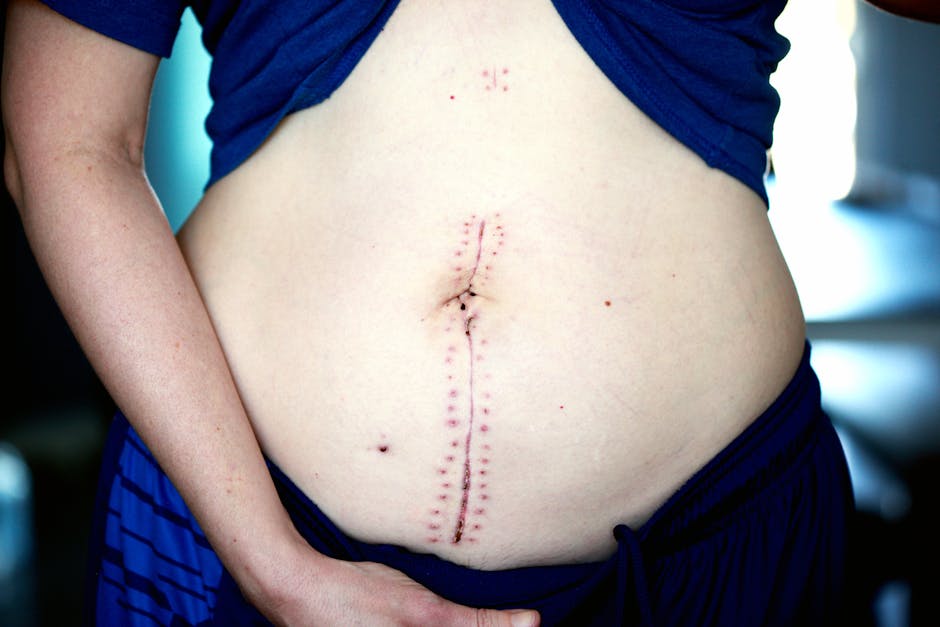
The tummy tuck procedure typically involves several steps. First, the patient is placed under general anesthesia. The surgeon then makes an incision across the lower abdomen, which can vary in length depending on the amount of skin to be removed. Through this incision, excess skin and fat are removed, and the abdominal muscles may be tightened. In some cases, a second incision around the navel may also be made to reposition it after the skin is pulled tight. The surgery usually takes about two to five hours, depending on the complexity of the case.
There are different types of tummy tucks, including full, mini, and extended. A full tummy tuck addresses the entire abdominal area, while a mini tummy tuck focuses on the lower abdomen. An extended tummy tuck is more extensive and may be suitable for those with excess skin on the sides of the abdomen as well.
Benefits of a Tummy Tuck
Many individuals seek tummy tucks for aesthetic reasons, desiring a flatter and more toned abdominal appearance. Beyond cosmetic benefits, a tummy tuck can also enhance physical health. Removing excess skin can lead to improved hygiene and comfort, especially for those who have lost a significant amount of weight. Additionally, the procedure may help in correcting abdominal wall separation, which can occur after pregnancy or significant weight fluctuations.
Psychologically, a tummy tuck can boost self-esteem and body image. Many patients report feeling more confident in their appearance and more motivated to maintain a healthy lifestyle post-surgery. However, it is important to have realistic expectations and understand that while a tummy tuck can improve appearance, it is not a substitute for weight loss or a healthy diet.
Recovery Process
Recovery from a tummy tuck varies from person to person. Generally, patients can expect to spend one to two nights in the hospital, followed by a recovery period of about four to six weeks. During the initial recovery phase, it is common to experience swelling, bruising, and discomfort. Surgeons typically prescribe pain medication to help manage discomfort.
Patients are advised to rest and avoid strenuous activities for at least a month after the surgery. Gentle walking is encouraged to promote blood circulation and reduce the risk of complications. Gradually, patients can resume normal activities, but heavy lifting and intense exercise should be avoided until cleared by the surgeon.
Follow-up appointments are important for monitoring healing and addressing any concerns. Most patients can return to work within two to four weeks, depending on the nature of their job and how they feel.
Risks and Considerations
As with any surgical procedure, a tummy tuck comes with risks. Potential complications include infection, bleeding, scarring, and adverse reactions to anesthesia. It is crucial for individuals considering this surgery to discuss their medical history and any concerns with their surgeon to make an informed decision.
Additionally, a tummy tuck is not recommended for individuals who plan to become pregnant in the future, as this can reverse some of the surgical benefits. It is also not intended for those who are significantly overweight or have underlying health issues that may complicate surgery.
In conclusion, a tummy tuck can be a beneficial procedure for those looking to enhance their abdominal appearance and improve physical comfort. Understanding the procedure, potential benefits, recovery process, and risks can aid individuals in making informed decisions about whether a tummy tuck is right for them.
Related articles

Eligibility Criteria for Medical Marijuana Trials in the US
Explore who can participate in medical marijuana trials in the US and the criteria for eligibility in these important clinical studies.

Medicare Meal Delivery Coverage And Options In The US
Explore Medicare's coverage for meal delivery services and learn about options available to beneficiaries across the United States.
Medicare Meal Delivery Coverage and Options in the US
Explore Medicare's meal delivery coverage, benefits, and options available to beneficiaries in the US.