Understanding How Fat Freezing Works for Body Contouring
By Editorial Team · August 4, 2026
Introduction to Fat Freezing
Fat freezing, also known as cryolipolysis, is a non-invasive procedure designed to reduce localized fat deposits. This technique has gained popularity as an alternative to traditional liposuction. The method is based on the principle that fat cells are more susceptible to cold temperatures than surrounding tissues. When exposed to controlled cooling, these fat cells undergo a process that leads to their natural elimination from the body.
The Science Behind Cryolipolysis
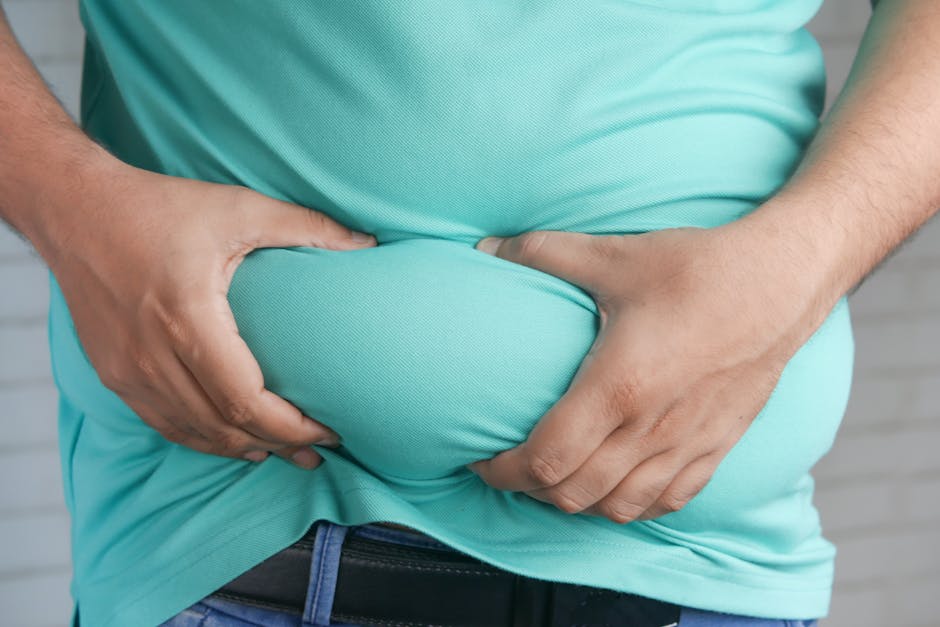
Cryolipolysis works by applying a cooling device to the targeted area of the body. This device cools the fat cells to a temperature that triggers apoptosis, or programmed cell death. Unlike other tissues, fat cells crystallize at higher temperatures, allowing for a selective reduction of fat without damaging skin or muscle tissue. The process begins with the application of a gel pad to protect the skin, followed by the placement of the cooling device. The device creates a vacuum effect, pulling the skin and underlying fat into the applicator, where the cooling occurs.
What to Expect During the Procedure
The fat freezing procedure typically lasts about one hour per area treated. Patients may experience sensations of pulling, tugging, or mild discomfort during the session. However, the procedure is generally well-tolerated, and many individuals use this time to relax, read, or even work on their devices. There is no need for anesthesia, and patients can often resume normal activities immediately after the treatment.
Results and Recovery
Patients may begin to see results as early as three weeks post-treatment, with optimal results usually visible after two to three months. The body gradually eliminates the treated fat cells through the lymphatic system. Multiple sessions may be recommended for individuals seeking more significant fat reduction. Common treatment areas include the abdomen, thighs, flanks, and under the chin. Side effects are minimal but can include temporary redness, swelling, and numbness in the treated area, which typically resolve within a few days.
Safety and Considerations
Fat freezing is considered safe for most individuals. However, it is not suitable for everyone. Individuals with certain medical conditions or those who are pregnant should consult with a healthcare provider before undergoing the procedure. It is important to have realistic expectations about the outcomes of fat freezing. While many people see a noticeable reduction in fat, it is not a weight-loss solution but rather a body-contouring method for targeted areas. Consulting with a qualified professional can help determine if cryolipolysis is the right choice based on individual goals and health status.
Conclusion
Fat freezing offers a unique approach to body contouring without the need for surgery. By understanding how cryolipolysis works, individuals can make informed decisions about their options for reducing stubborn fat. As with any cosmetic procedure, thorough research and consultation with qualified professionals are essential for achieving the best results. Whether used alone or as part of a broader wellness strategy, fat freezing provides a non-invasive alternative to traditional fat reduction methods.
Related articles

Exploring Treatment Options for Anxiety and Depression
Learn about various treatment options for anxiety and depression, including therapy, medication, and holistic approaches available near you.

GLP-1 Medications for Weight Loss in the US
Explore GLP-1 medications for weight loss in the US, their benefits, risks, and how they work to aid weight management.

Asthma Treatment Options Explained
Explore various asthma treatment options including medications, lifestyle changes, and alternative therapies to manage symptoms effectively