Laser Hair Removal Results And What To Expect In The US
By Editorial Team · September 17, 2026
Introduction
Laser hair removal is a popular cosmetic procedure designed to reduce unwanted hair. It uses concentrated beams of light, or lasers, to target hair follicles, resulting in a significant decrease in hair growth. Many people consider this method for its long-term effectiveness compared to traditional hair removal techniques like shaving or waxing.
How Laser Hair Removal Works
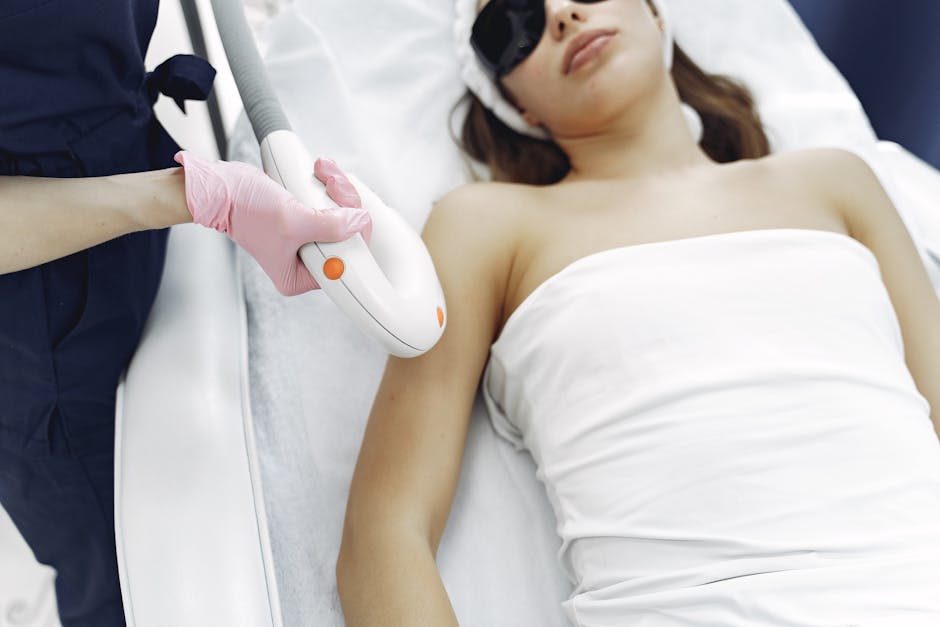
During the procedure, a technician uses a laser device that emits light absorbed by the pigment in the hair. The heat from the laser damages the hair follicle, inhibiting future hair growth. The procedure can be performed on various body parts, including the legs, underarms, bikini area, and face.
Before the treatment, patients typically undergo a consultation to discuss their goals and medical history. The technician may also perform a patch test to determine how the skin reacts to the laser. This step is crucial to ensure safety and effectiveness.
What To Expect During The Treatment
The duration of a laser hair removal session varies based on the size of the area being treated. Smaller areas, such as the upper lip, may take only a few minutes, while larger areas, like the back or legs, may take over an hour. Patients often describe the sensation as a rubber band snapping against the skin. To reduce discomfort, some clinics offer cooling devices or topical anesthetics.
Most patients require multiple sessions to achieve optimal results. The number of treatments depends on various factors, including hair color, skin type, and the area being treated. Most practitioners recommend 4 to 6 sessions spaced several weeks apart to ensure the best results.
Results and Aftercare
Results can vary based on individual factors, but many people experience a noticeable reduction in hair growth after the initial sessions. Some hair may continue to grow, but it is typically finer and lighter in color. It is important to understand that laser hair removal does not guarantee permanent hair removal, but it can significantly reduce hair density and regrowth.
After the procedure, patients may experience mild redness or swelling in the treated area, which usually resolves within a few hours. It is essential to avoid sun exposure and use sunscreen on the treated areas to protect the skin. Some clinics may recommend specific aftercare products to soothe the skin and enhance results.
Potential Risks and Considerations
While laser hair removal is generally considered safe, it is crucial to choose a qualified practitioner to minimize risks. Potential side effects may include skin irritation, changes in skin pigmentation, or scarring. People with darker skin tones may require specialized lasers to avoid skin damage, as traditional lasers can affect pigmented skin differently.
Before undergoing treatment, individuals should review their medical history and discuss any medications or skin conditions with their practitioner. This information helps determine the safest and most effective approach for each patient.
Conclusion
Laser hair removal can be an effective long-term solution for unwanted hair. Understanding the procedure, expected results, and aftercare can help individuals make informed decisions. As with any cosmetic procedure, thorough research and consultations with experienced professionals are vital for achieving desired outcomes. Interested individuals should weigh the benefits against potential risks and choose a reputable clinic to ensure a safe experience.
Related articles

Causes and Treatments for Lower Back Pain in the US
Explore the common causes of lower back pain and effective treatments available in the US to alleviate discomfort and improve quality of life.

Understanding Humana Medicare Advantage Plans
Learn about Humana Medicare Advantage plans, their benefits, and how they work to provide healthcare coverage for eligible individuals.
Current Medicare Benefits and Plan Options in the US
Explore the current Medicare benefits and plan options available in the US, including eligibility, coverage, and enrollment details.