Laser Hair Removal: What You Need to Know
By Editorial Team · September 17, 2026
Introduction to Laser Hair Removal
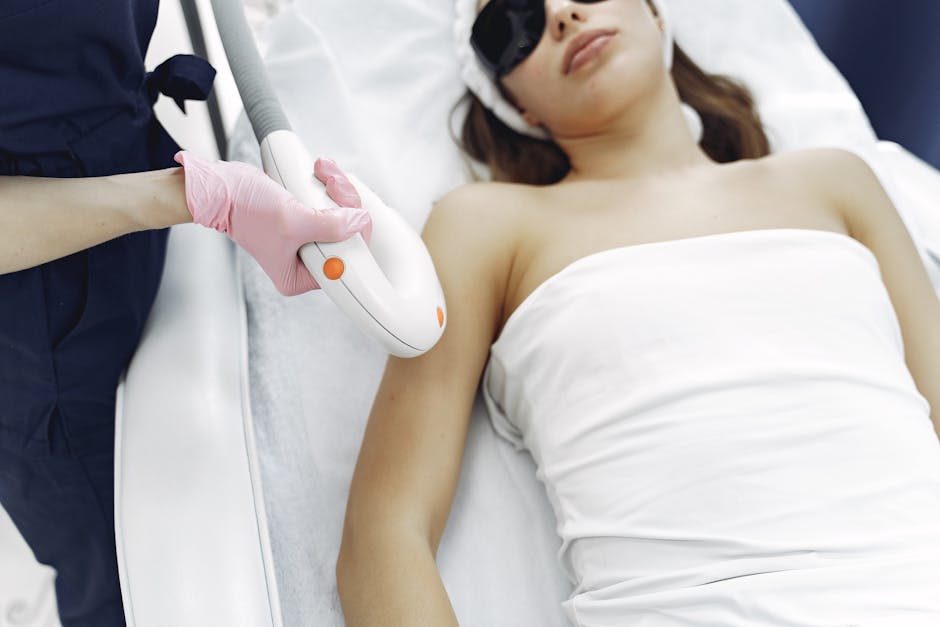
Laser hair removal is a popular cosmetic procedure aimed at reducing unwanted hair. The process uses concentrated light energy, or lasers, to target hair follicles. This method is considered effective for long-term hair reduction and is performed in various settings, including dermatology clinics and medical spas.
How Laser Hair Removal Works
The procedure involves the use of a laser that emits a beam of light absorbed by the pigment in the hair. The heat generated damages the hair follicle, inhibiting future hair growth. Multiple sessions are usually required for optimal results, as hair grows in different cycles. Generally, individuals will need between three to seven sessions, spaced several weeks apart, to achieve the desired outcome.
Benefits of Laser Hair Removal
There are several advantages to choosing laser hair removal over traditional methods such as shaving or waxing. One significant benefit is the precision of the treatment. Lasers can selectively target dark, coarse hairs while leaving the surrounding skin undamaged. Additionally, many people find that laser hair removal is faster than other methods, as larger areas can be treated in a shorter time frame. The long-term cost-effectiveness is another appealing aspect, as the reduction in hair growth can lead to lower expenses on hair removal products and services in the long run.
Risks and Considerations
While laser hair removal is generally safe, it is essential to consider potential risks. Some individuals may experience temporary skin irritation, swelling, or changes in skin color after the procedure. In rare cases, blistering or scarring can occur. It is crucial to consult with a qualified provider to discuss any pre-existing skin conditions and to ensure the procedure is appropriate for your skin type and hair color. Additionally, individuals with certain medical conditions or those who are pregnant should discuss their options with a healthcare professional before proceeding.
Aftercare and Maintenance
Post-procedure care is vital for minimizing side effects and ensuring optimal results. Patients are often advised to avoid sun exposure for a few weeks following treatment, as the skin may be more sensitive to UV rays. Using sunscreen with a high SPF is recommended to protect the treated area. It is also advisable to avoid hot baths, saunas, and vigorous exercise for a short period after the procedure, as these activities can irritate the skin. Regular follow-up sessions may be necessary for maintenance, as some hair can regrow over time.
Conclusion
Laser hair removal offers a convenient and effective solution for those seeking to manage unwanted hair. Understanding the process, benefits, risks, and aftercare instructions can help individuals make informed decisions about whether this treatment is suitable for them. Consulting with a certified professional is the best way to ensure safety and effectiveness in achieving desired results.
Related articles

Understanding Macular Degeneration Treatments in the US
Explore various treatments for macular degeneration, their effectiveness, and how they impact vision health in the United States.

Effective Wrinkle Treatment Options Available in the US
Explore various wrinkle treatment options that are effective in reducing signs of aging and enhancing skin appearance.
Macular Degeneration Treatment Options Explained
Explore various treatment options for macular degeneration, including lifestyle changes, medications, and surgical interventions.