
Leading Diabetes Device Trials Explained
By Editorial Team · November 15, 2026
Why Diabetes Device Trials Matter
Diabetes devices can help people monitor glucose, deliver insulin, or make treatment decisions. Before a device is widely adopted, researchers study how well it works and whether its benefits outweigh its risks. These studies may involve continuous glucose monitors (CGMs), insulin pumps, automated insulin delivery systems, connected pens, and tools that support diabetes management.
A trial does not simply ask whether a device functions. It may examine glucose levels, time spent within a target range, episodes of low blood sugar, ease of use, and effects on daily life. Results can help clinicians, regulators, and patients understand how a device performs under specific conditions. They do not guarantee that the same results will apply to every person.
Common Types of Studies
Early feasibility studies usually involve a small group and assess whether a device can be used safely and as intended. Researchers may identify technical problems, refine instructions, or learn what training participants need. These studies are not generally large enough to establish how well a device works across a broad population.
Later trials may compare a device with standard care or another available option. A randomized study assigns participants to different groups by chance, which can help reduce the influence of differences between participants. Some studies are designed to show that a new device is better than an existing approach. Others test whether it performs about as well, or whether it is not unacceptably worse, while offering a different feature or convenience.
Researchers may also conduct observational studies. Participants use a device during routine care, and investigators track outcomes without assigning treatments. Such studies can show how a device is used in everyday settings, though they may be less able than randomized trials to separate the device's effects from other factors.
What Researchers Measure
For glucose-monitoring and insulin-delivery devices, common measures include hemoglobin A1C, average glucose, and time in range. Time in range refers to the share of readings within a specified glucose range. Trials may also track time below range, severe hypoglycemia, diabetic ketoacidosis, and other safety events. The exact measures and definitions vary by study.
Device performance is only part of the picture. Investigators may ask how often participants wear or use the device, whether they can operate it correctly, and how often technical issues occur. Surveys can assess treatment burden, sleep, confidence, or satisfaction. These reports matter because a device that performs well in a controlled setting may be difficult to use consistently in daily life.
Study duration also affects what the results can show. A short trial may reveal changes in glucose measures but provide limited information about long-term safety, durability, or continued use. Larger and longer studies can offer more information, but they still may not include every age group, health condition, or care setting.
Reading Results With Care
When reviewing a trial, look at who took part, how many people completed it, and what comparison was used. A study of adults with type 1 diabetes, for example, may not establish how the same device performs for children or people with type 2 diabetes. Check whether participants had prior experience with similar technology and whether they received extra support during the study.
It is also useful to distinguish statistical findings from practical importance. A result can be statistically significant without representing a change that participants would notice. Conversely, a modest average change may matter if it reduces dangerous lows or makes treatment easier for some groups. Consider the absolute results, not only percentages or headlines, and note whether the study was funded by a device maker. Industry funding does not automatically invalidate findings, but it is relevant context.
No single trial settles every question. Researchers may publish results in stages, and findings can differ across studies because of participant characteristics, study design, or device versions. Regulatory clearance or approval addresses specific intended uses and evidence requirements; it is not a promise that a device will suit every individual.
Considering Participation or Use
People considering a trial can ask what device will be tested, how long participation lasts, what appointments or data collection are required, and what happens if the device fails or causes a problem. They should ask about possible risks, costs, privacy protections, and whether they can leave the study. A study team should explain these points through an informed-consent process.
For those considering a marketed device, a diabetes care team can help compare trial evidence with personal needs, treatment goals, insurance coverage, and comfort with technology. Questions about alarms, phone compatibility, supplies, training, and backup plans are practical parts of the decision. Clinical trials provide important evidence, but choosing a device remains an individual decision made with qualified care providers.
Related articles

How to Find Full Mouth Dental Implants Near You
Learn what full mouth dental implants involve, how to compare local providers, what affects cost, and which questions to ask before treatment

Medicare Supplement Plans Explained
Learn how Medicare Supplement plans work, what they may cover, how pricing varies, and what to consider when comparing policies and enrollment options
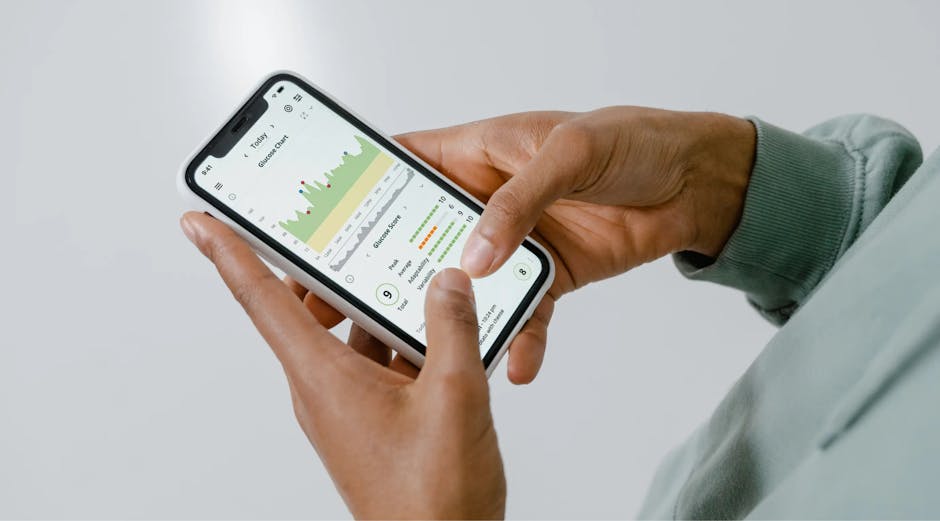
Technology and Tools for Managing Type 2 Diabetes
Explore glucose meters, continuous monitors, apps, and other tools that can support type 2 diabetes care, plus questions to discuss with a clinician