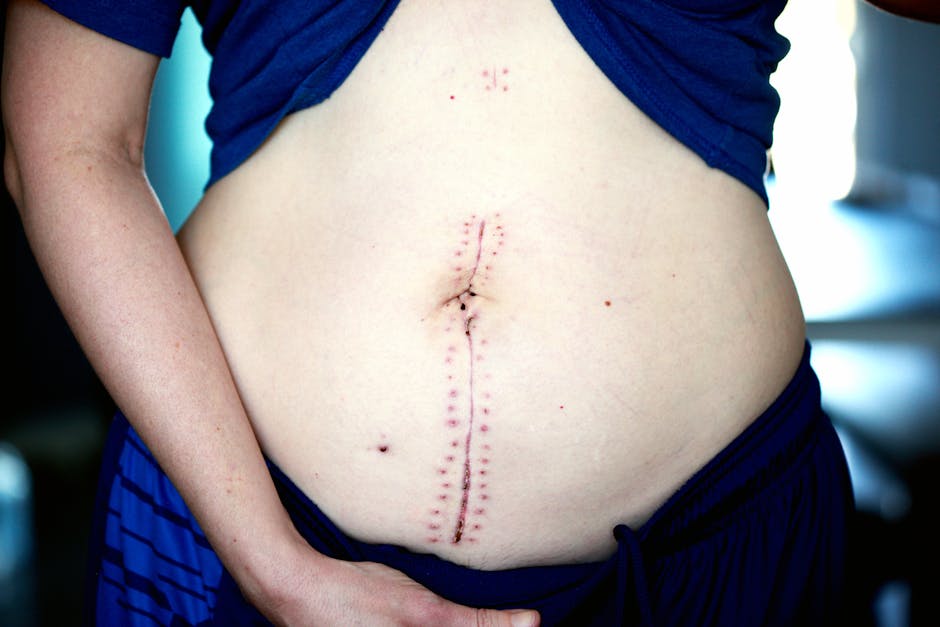
Understanding Tummy Tuck Procedures: What You Need to Know
By Editorial Team · May 13, 2026
What Is a Tummy Tuck?
A tummy tuck, or abdominoplasty, is a cosmetic surgical procedure aimed at removing excess skin and fat from the abdominal area. This procedure also tightens the underlying muscles, resulting in a flatter and firmer abdomen. Many individuals opt for a tummy tuck after significant weight loss or pregnancy, as these factors can lead to loose skin and weakened abdominal muscles.
During the procedure, a surgeon makes an incision across the lower abdomen, removes excess fat and skin, and stitches the remaining skin back together. In some cases, liposuction may be used to enhance the contour of the abdomen.
Who Is a Good Candidate?
Ideal candidates for a tummy tuck are those who are in good overall health, close to their target weight, and have realistic expectations about the results. It is important for candidates to understand that a tummy tuck is not a weight-loss solution. Instead, it is best suited for individuals who have already achieved a stable weight but are struggling with loose skin or abdominal muscle separation, often referred to as diastasis recti.
Women who have gone through pregnancy may particularly benefit from this procedure, as pregnancy can stretch the abdominal skin and muscles beyond their ability to return to their original state. Candidates should also be non-smokers, as smoking can hinder the healing process and increase the risk of complications.
The Procedure and Recovery
A tummy tuck procedure typically lasts between two to five hours, depending on the extent of the surgery. It is performed under general anesthesia, and patients usually stay in the hospital for one to two nights. After the surgery, patients can expect some bruising, swelling, and discomfort, which can be managed with prescribed pain medication.
Recovery time varies by individual and the extent of the procedure. Most patients can return to light activities within two weeks but should avoid strenuous exercise and heavy lifting for at least six weeks. It is important to follow the surgeon's post-operative care instructions closely to ensure a smooth recovery.
During the recovery period, wearing a compression garment is often recommended. This garment helps reduce swelling and supports the abdominal area as it heals.
Potential Risks and Benefits
As with any surgical procedure, a tummy tuck comes with potential risks. Common risks include infection, scarring, and complications from anesthesia. There is also a chance of developing blood clots or seromas, which are fluid collections that may form under the skin. It is important for candidates to discuss these risks with their surgeon during the consultation.
Despite the risks, many individuals find the benefits of a tummy tuck to outweigh the potential downsides. The primary benefit is a flatter, more toned abdomen, which can lead to increased self-esteem and body confidence. Many patients report feeling more comfortable in their clothing and enjoying a more active lifestyle post-procedure.
Cost and Insurance Considerations
The cost of a tummy tuck can vary widely based on factors such as the surgeon's experience, geographic location, and the complexity of the procedure. On average, a tummy tuck can range from $6,000 to $12,000. It is important to note that most health insurance plans do not cover cosmetic procedures, including tummy tucks. However, in cases where the surgery is deemed medically necessary, such as after significant weight loss, insurance may cover some costs.
Patients should consult with their insurance provider and discuss financing options with their surgeon's office to understand the financial implications of the procedure.
In summary, a tummy tuck is a popular option for individuals looking to enhance their abdominal appearance. By understanding the procedure, candidacy, recovery process, risks, benefits, and costs, individuals can make an informed decision about whether this surgery aligns with their personal health and aesthetic goals.
Related articles

Eligibility Criteria for Medical Marijuana Trials in the US
Explore who can participate in medical marijuana trials in the US and the criteria for eligibility in these important clinical studies.

Medicare Meal Delivery Coverage And Options In The US
Explore Medicare's coverage for meal delivery services and learn about options available to beneficiaries across the United States.
Medicare Meal Delivery Coverage and Options in the US
Explore Medicare's meal delivery coverage, benefits, and options available to beneficiaries in the US.