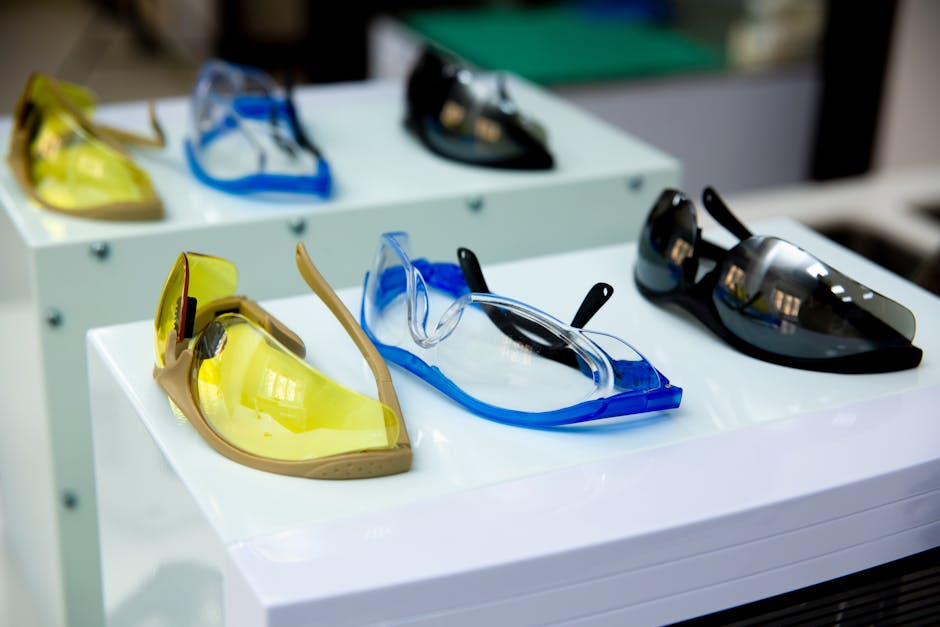
Choosing Safety Prescription Glasses for the Workplace
By Editorial Team · November 11, 2026
Why Prescription Safety Glasses Matter
Workers who need vision correction should not have to choose between seeing clearly and protecting their eyes. Standard prescription glasses are not designed to provide the impact protection required in many workplaces. Safety prescription glasses combine corrective lenses with frames and components intended to reduce the risk of injury from hazards such as flying particles, dust, and splashes.
The right eyewear depends on the work being done. A person handling materials in a warehouse may face different risks from someone using power tools, working with chemicals, or performing tasks near molten metal. Employers and workers should identify the hazards first, then select eyewear that addresses them. Prescription safety glasses are one part of a broader eye-protection plan, which may also require side shields, goggles, or a face shield.
Check Standards and Workplace Requirements
In the United States, occupational eye and face protection requirements are set by the Occupational Safety and Health Administration, or OSHA. OSHA regulations require employers to provide appropriate protection when workers face eye or face hazards. The equipment should fit the task and be maintained in good condition.
Safety eyewear is commonly marked to show that it meets applicable impact-resistance standards. In the United States, ANSI/ISEA Z87.1 is a widely used voluntary consensus standard for occupational and educational eye and face protection. Look for appropriate markings on the frame and lenses, and confirm that the product is intended for the specific hazards involved. A regular pair of prescription glasses, even if sturdy, should not be treated as safety eyewear unless it is specifically certified and marked for that use.
Some jobs require protection beyond basic impact resistance. Chemical splash hazards may call for sealed goggles, while welding requires filters with a suitable shade. Prescription safety glasses alone may not provide enough coverage for these tasks. Employers should consult safety professionals and applicable regulations when selecting equipment, rather than relying on appearance or product descriptions alone.
Choose the Right Lenses and Frame
A current prescription is the starting point. An optometrist or other qualified eye-care professional can help determine whether the prescription is suitable for safety lenses and explain available lens materials. Polycarbonate is often chosen for impact-resistant eyewear because it is lightweight and offers strong impact protection, but the appropriate material and design depend on the product’s certification and the work environment.
Lens features should match actual conditions. Clear lenses are useful indoors and in low-light settings. Tinted or photochromic lenses may help outdoors, but they are not automatically suitable for every task. Workers exposed to intense light, welding arcs, or lasers need protection specifically rated for those sources. Anti-fog coatings can be useful in humid conditions, while scratch-resistant coatings may help extend the usable life of lenses. Coatings do not replace required protective ratings.
Fit matters as much as lens choice. Frames should sit securely without pinching, slipping, or blocking peripheral vision. Side protection may be built into the frame or added as approved side shields. If safety glasses are worn over prescription glasses, check that the over-glasses design fits comfortably and provides the required coverage. For many workers, prescription safety eyewear offers a less bulky option, but it still needs to be selected and fitted correctly.
Fit, Care, and Replacement
Before using new eyewear, check that the prescription is accurate and the frame stays in place during normal movements. Workers should be able to look in different directions without the glasses shifting or leaving gaps that undermine protection. If the glasses cause headaches, pressure, or blurred vision, ask the provider to check the fit and prescription. Do not bend or modify safety frames unless the manufacturer permits it, since changes can affect fit or performance.
Clean lenses with products recommended by the manufacturer. Wiping grit from a dry lens can scratch it, so rinse away debris first when practical. Store glasses in a protective case when they are not being worn, and inspect them regularly for cracks, loose parts, deep scratches, or other damage. Replace eyewear when it is damaged or no longer fits properly. A scratched lens can interfere with clear vision, while a cracked frame may not protect as intended.
Employers should make sure workers know which eyewear is required, how to use it, and when it needs replacement. Workers should report damaged equipment and changes in vision or fit. With a suitable prescription, verified safety markings, and routine care, protective eyewear can support clear vision while helping reduce workplace eye-injury risks.
Related articles

How to Find Full Mouth Dental Implants Near You
Learn what full mouth dental implants involve, how to compare local providers, what affects cost, and which questions to ask before treatment

Medicare Supplement Plans Explained
Learn how Medicare Supplement plans work, what they may cover, how pricing varies, and what to consider when comparing policies and enrollment options

Technology and Tools for Managing Type 2 Diabetes
Explore glucose meters, continuous monitors, apps, and other tools that can support type 2 diabetes care, plus questions to discuss with a clinician