Understanding COPD: Symptoms, Causes, and Management
By Editorial Team · August 4, 2026
What is COPD?
Chronic Obstructive Pulmonary Disease (COPD) is a progressive lung disease that causes breathing difficulties. It is characterized by airflow limitation that is not fully reversible. COPD encompasses two main conditions: chronic bronchitis and emphysema. Chronic bronchitis involves inflammation of the bronchial tubes, while emphysema refers to the destruction of the alveoli, the tiny air sacs in the lungs.
Causes of COPD
The primary cause of COPD is long-term exposure to harmful substances that irritate the lungs. The most common risk factor is smoking, which is responsible for the majority of COPD cases. Other contributors include exposure to secondhand smoke, air pollution, dust, and chemical fumes. Genetic factors, such as alpha-1 antitrypsin deficiency, can also play a role in the development of COPD. Understanding these causes can aid in prevention and early diagnosis.
Symptoms of COPD
The symptoms of COPD often develop slowly and can be mistaken for other conditions. Common symptoms include:
- Chronic cough that produces mucus
- Shortness of breath, especially during physical activity
- Wheezing or a whistling sound when breathing
- Chest tightness
As the disease progresses, symptoms may worsen, leading to more frequent exacerbations or flare-ups. Early recognition of these symptoms is crucial for effective management and to slow disease progression.
Diagnosis of COPD
Diagnosing COPD typically involves a combination of medical history assessment, physical examination, and specific tests. The most common test is spirometry, which measures the amount of air a person can forcibly exhale. Additional tests may include chest X-rays or CT scans to get a clearer picture of lung health. Accurate diagnosis is essential for determining the appropriate treatment plan.
Managing COPD
While there is currently no cure for COPD, several management strategies can improve quality of life. These include:
- Smoking cessation: Quitting smoking is the most critical step for those diagnosed with COPD. Various resources, including support groups and medication, can help.
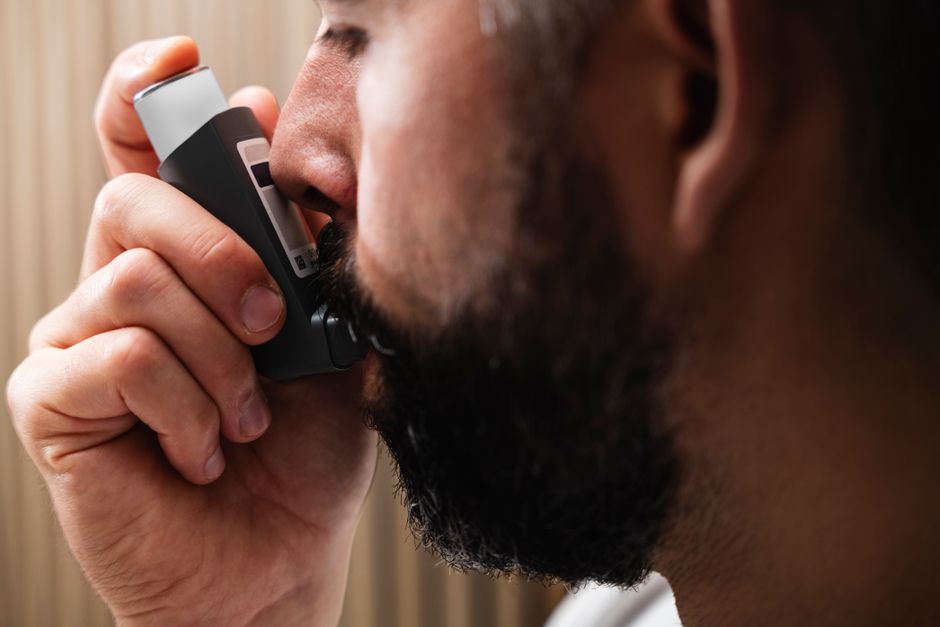
- Medications: Bronchodilators and steroids are commonly prescribed to help open airways and reduce inflammation. Patients may also use inhalers for quick relief during exacerbations.
- Pulmonary rehabilitation: This program includes supervised exercise, education, and support to help patients manage their condition and improve physical endurance.
- Oxygen therapy: For those with severe COPD and low oxygen levels, supplemental oxygen may be necessary to aid breathing.
- Healthy lifestyle choices: Maintaining a balanced diet, exercising regularly, and staying hydrated can have a positive impact on overall health and lung function.
Conclusion
Understanding COPD is crucial for those at risk and those affected by the disease. Early diagnosis, lifestyle changes, and appropriate medical interventions can help manage symptoms and improve the quality of life. Awareness of the causes and symptoms allows individuals to seek help sooner, ultimately leading to better health outcomes. Regular consultations with healthcare providers can help to tailor management plans that suit individual needs, providing support for a healthier future.
Related articles

Exploring Treatment Options for Anxiety and Depression
Learn about various treatment options for anxiety and depression, including therapy, medication, and holistic approaches available near you.

GLP-1 Medications for Weight Loss in the US
Explore GLP-1 medications for weight loss in the US, their benefits, risks, and how they work to aid weight management.

Asthma Treatment Options Explained
Explore various asthma treatment options including medications, lifestyle changes, and alternative therapies to manage symptoms effectively